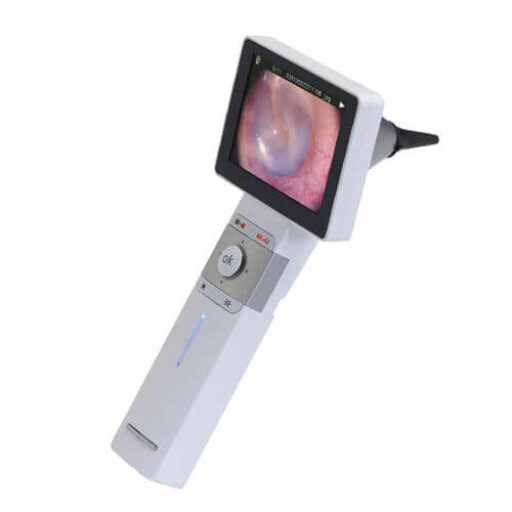
Clear and Accurate Ear Examination
Choosing the right otoscope ensures proper visualization of the ear canal and eardrum, helping detect issues like wax buildup, inflammation, or fluid early.
Safety and Comfort
A suitable otoscope with the correct tip size and lighting reduces the risk of discomfort or injury — especially important when examining children.
Confidence in Home Monitoring
Digital otoscopes allow users to see what is happening inside the ear, reducing guesswork and unnecessary clinic visits for minor concerns.
How to Choose an Otoscope
Choosing the right otoscope depends on how you plan to use it — at home, for family care, or in a professional setting. With so many options available today, from traditional optical models to advanced digital otoscopes with cameras, understanding the key differences will help you make a confident decision.
This guide explains what to look for when choosing an otoscope and which type fits your needs best.
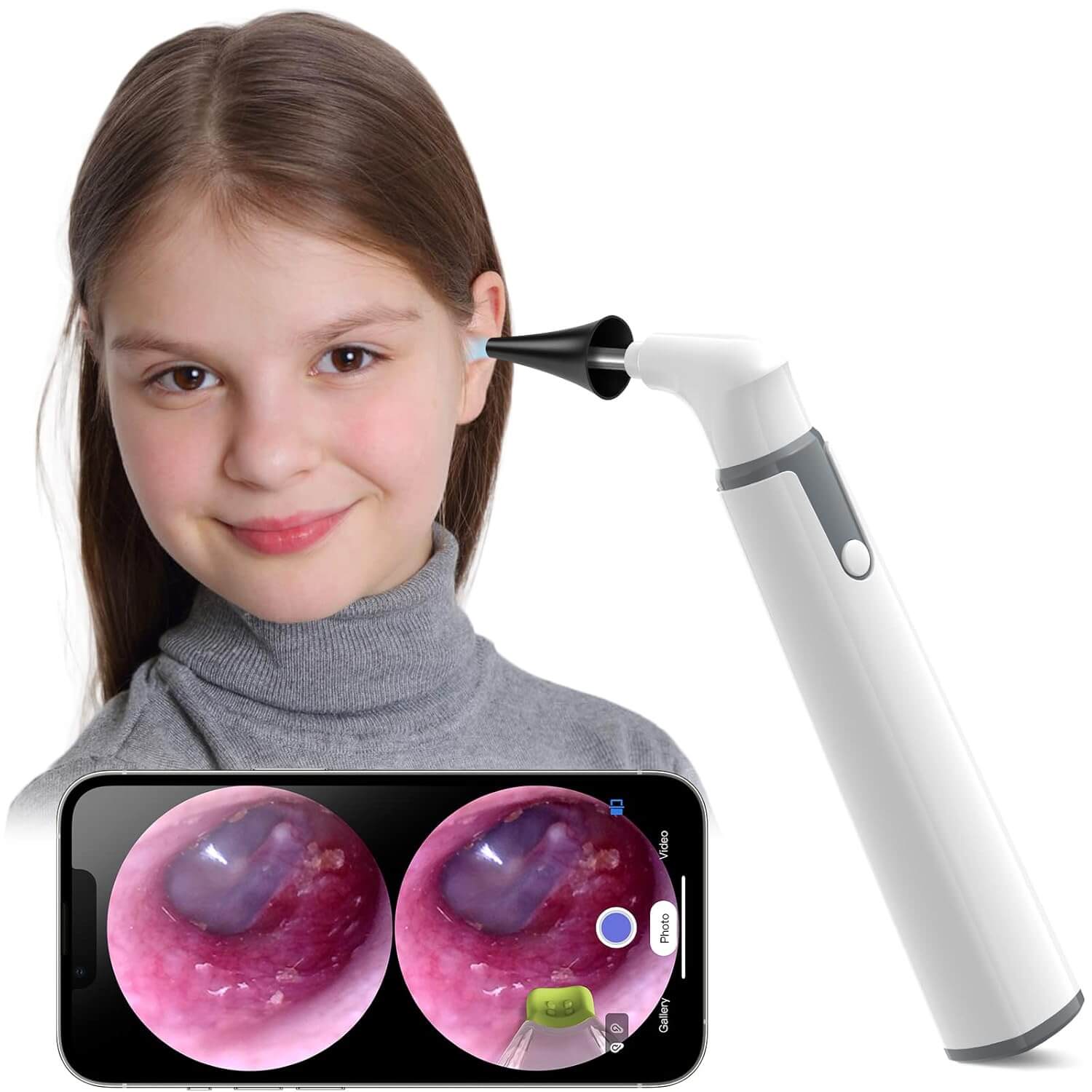
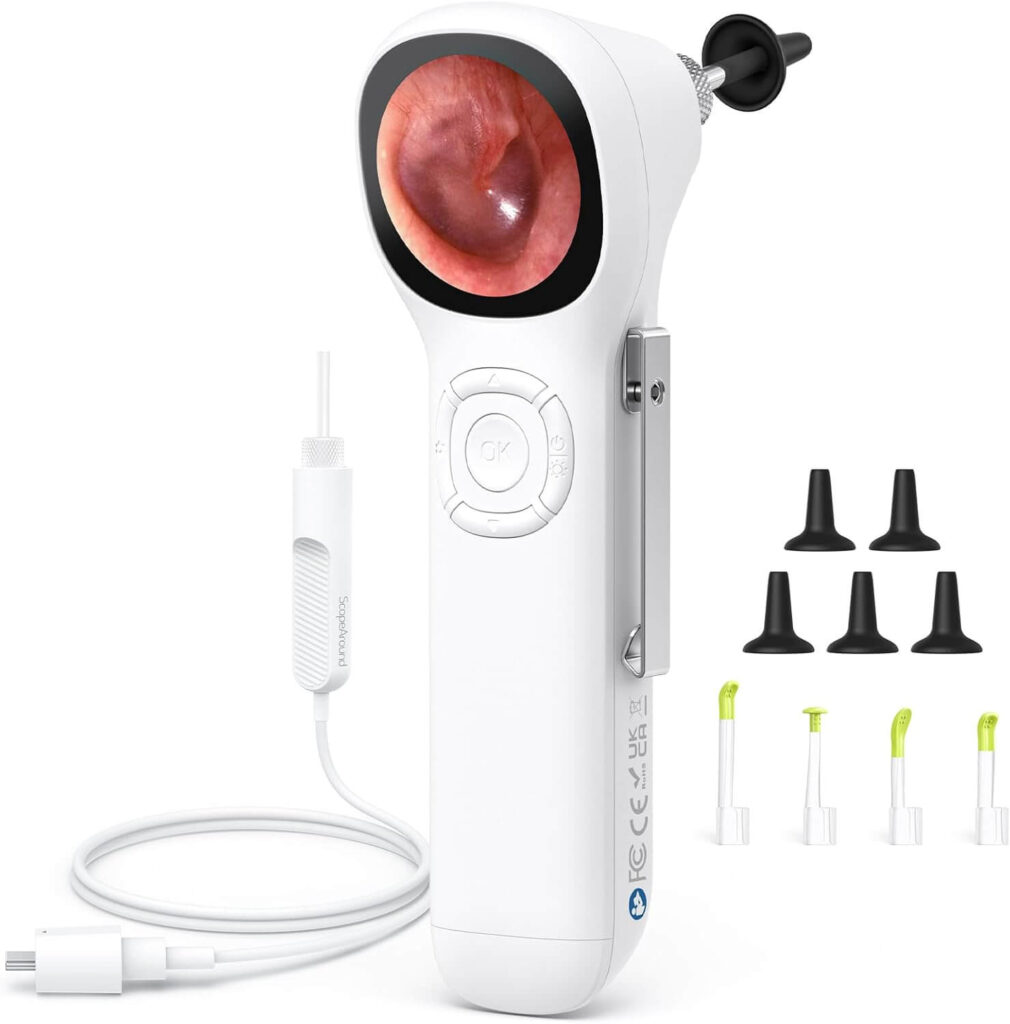
Digital Otoscope with HD Camera
A digital otoscope equipped with a high-resolution camera and LED lighting, designed for clear visualization of the ear canal. Ideal for home monitoring and family use.
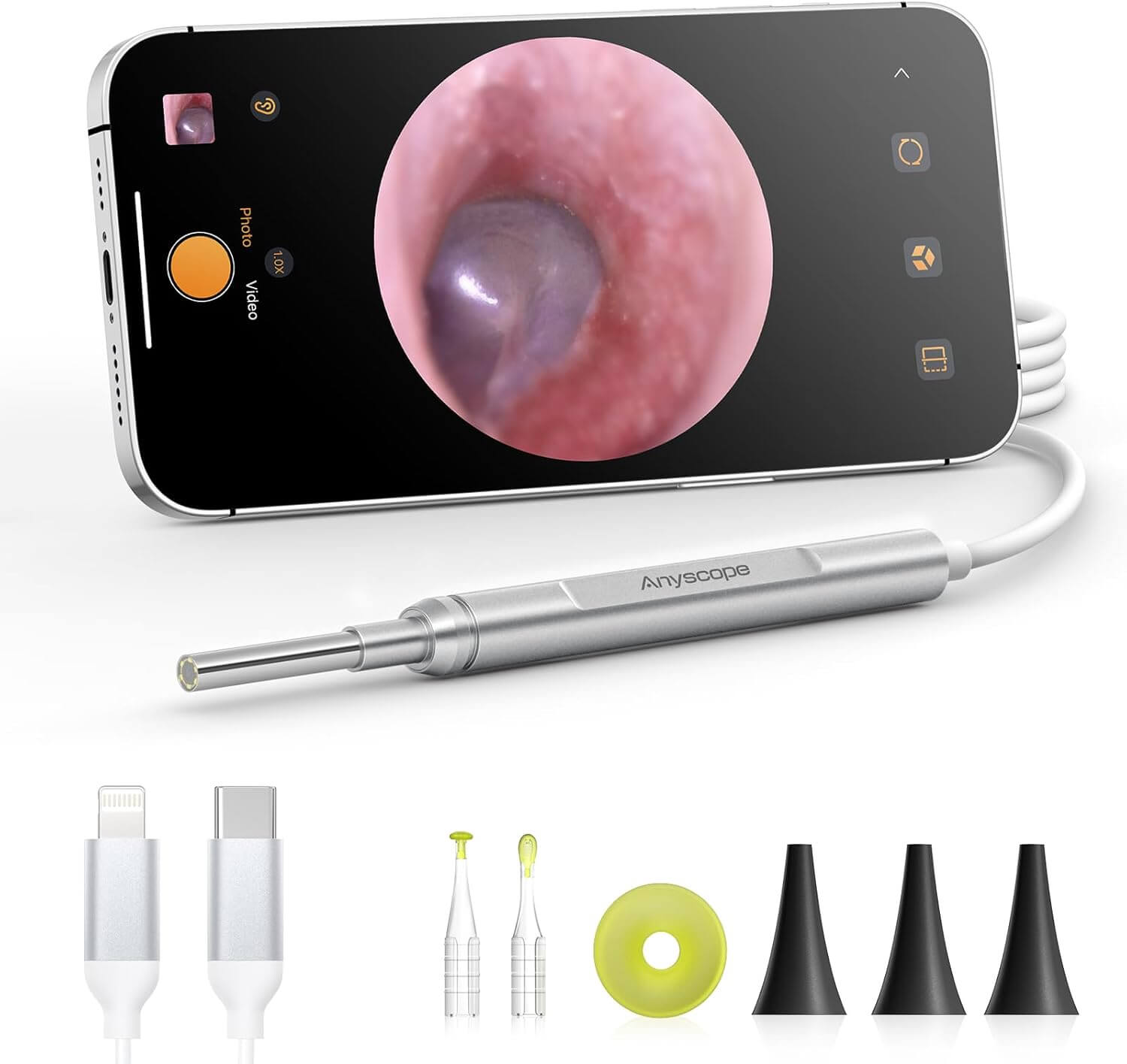
Digital Otoscope Compatible with iPhone and Android
A versatile smartphone-compatible otoscope with HD ear camera and light.
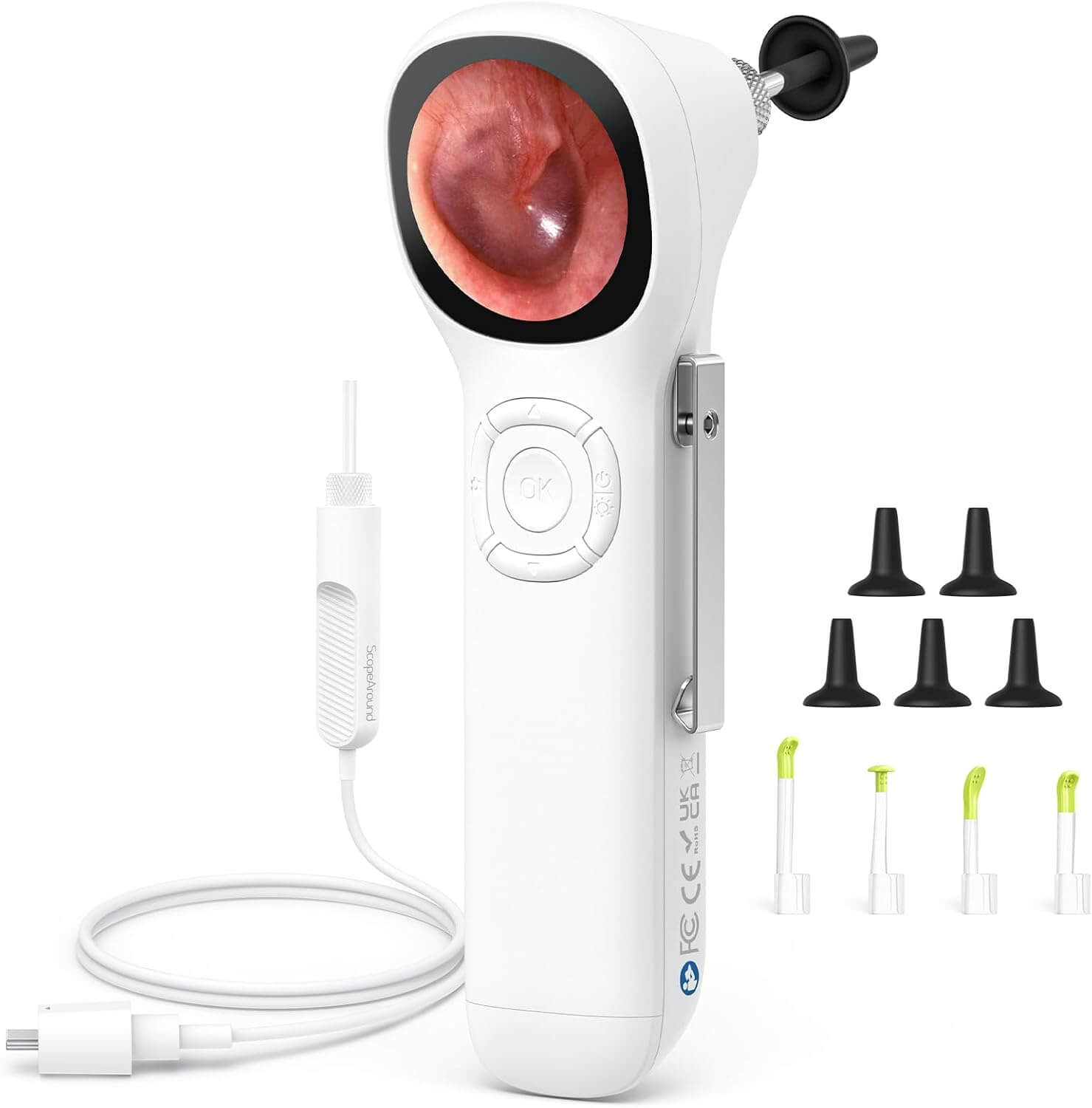
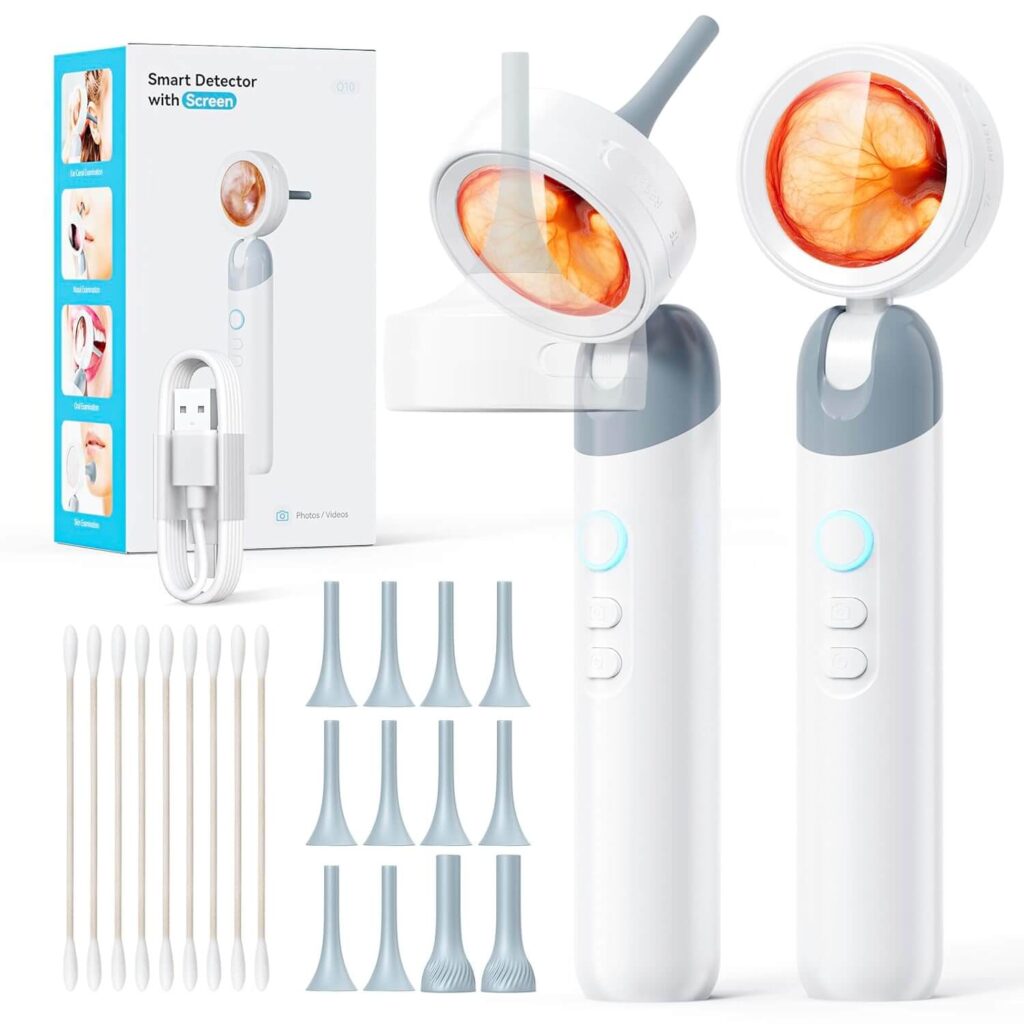
Video Otoscope with Built-In Screen
A digital otoscope featuring its own display screen, eliminating the need for a mobile device. Simple to operate and suitable for quick ear checks.
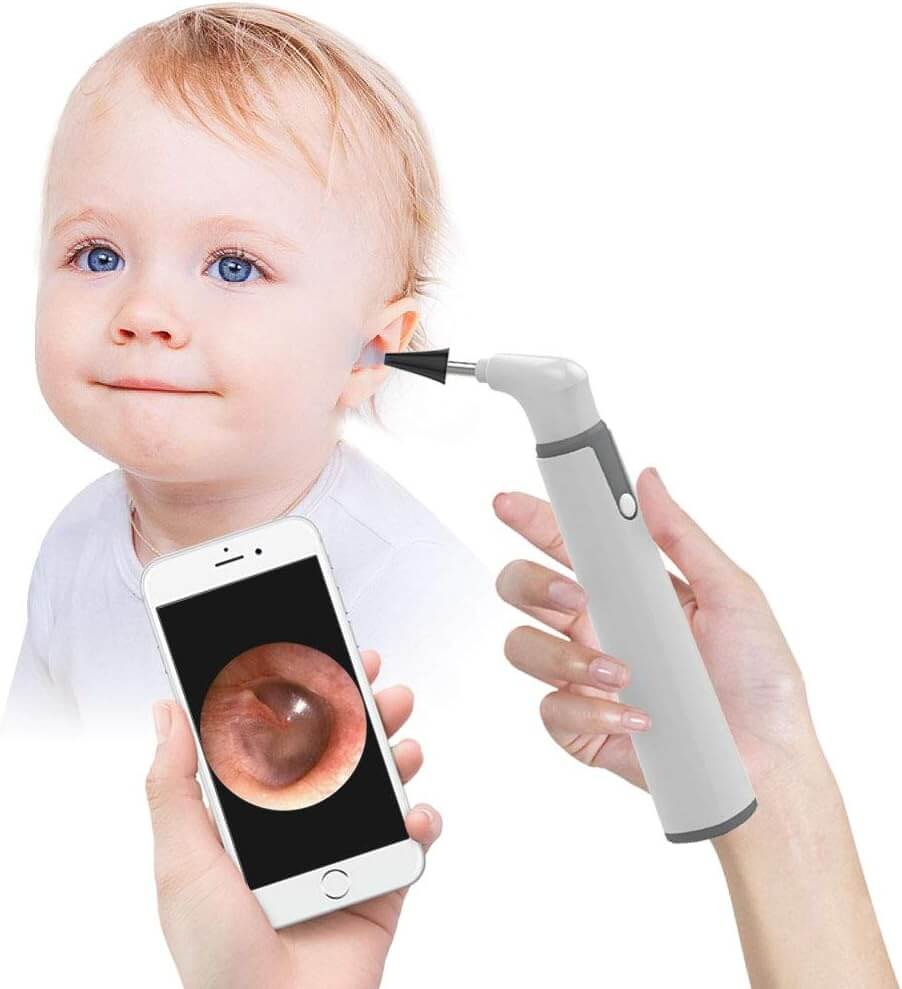
Wireless Otoscope with Smartphone App
This wireless digital otoscope connects directly to your smartphone, allowing you to view and capture images without cables. A popular option for parents and caregivers.
What Is an Otoscope and What Is It Used For?
An otoscope is a medical device used to examine the ear canal and eardrum. It helps detect common issues such as:
- Earwax buildup
- Ear infections
- Fluid behind the eardrum
- Redness or inflammation
- Damage or perforation of the eardrum
Modern otoscopes are no longer limited to clinics — many models are now designed specifically for safe and easy home use.
Types of Otoscopes
Digital Otoscopes (With Camera)
Digital otoscopes use a built-in camera to display live images or video on a screen or smartphone.
Best for:
- Home users
- Parents
- Beginners
- Visual confirmation and learning
Key advantages:
- High-resolution image
- Real-time video
- Often connect to smartphones
- Easy to use without medical training
👉 Learn more on our
Traditional (Optical) Otoscopes
These models use direct optical viewing through a lens.
Best for:
- Medical professionals
- Clinical environments
- Experienced users
Key advantages:
- No electronics required
- Durable and reliable
- Precise optical clarity
Otoscope & Ophthalmoscope Sets
Combination diagnostic kits that include tools for ear and eye exams.
Best for:
- Medical students
- Clinics
- Professional diagnostics
Key Features to Look For When Choosing an Otoscope
1. Image Quality
For digital otoscopes, resolution matters. Look for HD or higher-quality cameras with clear focus and strong LED lighting.
2. Lighting
Bright LED illumination is essential to clearly view the ear canal and eardrum.
3. Safety Tips (Specula)
Soft, rounded, and replaceable tips reduce the risk of injury — especially for children.
4. Ease of Use
Home users should prioritize:
- Simple controls
- Clear instructions
- Smartphone compatibility
5. Power Source
Options include:
- Rechargeable batteries
- USB charging
- Disposable batteries (for optical models)
Otoscope for Home Use vs Professional Use
For Home Use
Choose a digital otoscope that offers:
- Camera visualization
- Smartphone or built-in screen
- Simple operation
- Soft silicone tips
For Professional Use
Look for:
- Optical clarity
- Interchangeable specula
- Durable build
- Pneumatic functionality (if needed)
Otoscope for Adults vs Children
When examining children, safety is the top priority.
Recommended features for kids:
- Smaller specula sizes
- Soft silicone tips
- Digital display to avoid guesswork
- Gentle LED lighting
Digital otoscopes are often preferred for family use because they allow parents to see exactly what is happening inside the ear.
Common Mistakes When Choosing an Otoscope
- Buying professional-grade equipment for simple home checks
- Ignoring tip size and comfort
- Choosing low-resolution digital cameras
- Not checking device compatibility with your phone
Avoiding these mistakes can save money and prevent frustration.
Is a Digital Otoscope Worth It?
For most home users — yes.
Digital otoscopes provide better visibility, easier operation, and greater confidence compared to traditional optical models. They are especially useful for monitoring recurring ear issues or checking earwax buildup safely.
What is the best otoscope for home use?
For most home users, a digital otoscope with a built-in camera is the best option. It allows you to clearly see the ear canal and eardrum on a screen or smartphone, making it easier and safer to use without medical training.
Are digital otoscopes better than traditional ones?
Digital otoscopes are generally easier for beginners because they provide visual feedback through a screen or mobile device. Traditional otoscopes rely on direct optical viewing and are typically preferred by healthcare professionals.
Can I use an otoscope on children?
Yes, but it’s important to choose an otoscope designed for family use. Look for models with soft silicone tips, smaller specula sizes, and bright but gentle LED lighting to ensure comfort and safety.
Do I need a prescription to buy an otoscope?
No, otoscopes are available over the counter and do not require a prescription. However, an otoscope should not replace professional medical diagnosis.
What features should I look for in a digital otoscope?
Key features include:
High-resolution camera
Bright LED illumination
Smartphone or screen compatibility
Rechargeable battery
Soft, replaceable tips
Is it safe to check for an ear infection at home?
An otoscope can help you visually inspect the ear, but it cannot confirm a diagnosis. If you notice redness, fluid, pain, or hearing loss, consult a healthcare professional.
Can an otoscope remove earwax?
Most otoscopes are designed for viewing, not removal. Some digital otoscopes include accessories for gentle wax removal, but improper use may cause injury. Always proceed with caution.
What is the difference between an otoscope and an ophthalmoscope?
An otoscope is used to examine the ears, while an ophthalmoscope is designed to examine the eyes. Some diagnostic sets include both tools in one kit.
How much does a good otoscope cost?
Home-use digital otoscopes typically range from affordable to mid-priced, while professional medical otoscopes can be more expensive due to advanced optics and durability.
When should I see a doctor instead of using an otoscope?
You should consult a doctor if symptoms persist, worsen, or include severe pain, fever, discharge, or hearing loss. An otoscope is a supportive tool, not a substitute for medical care.